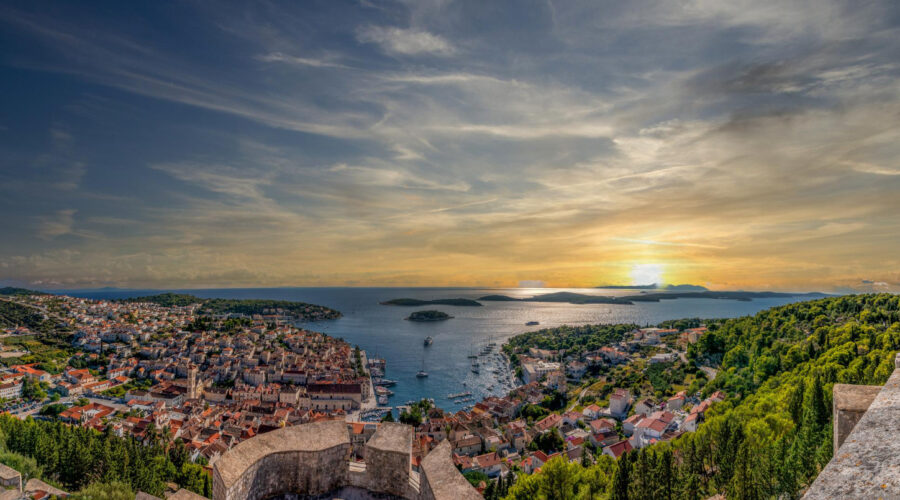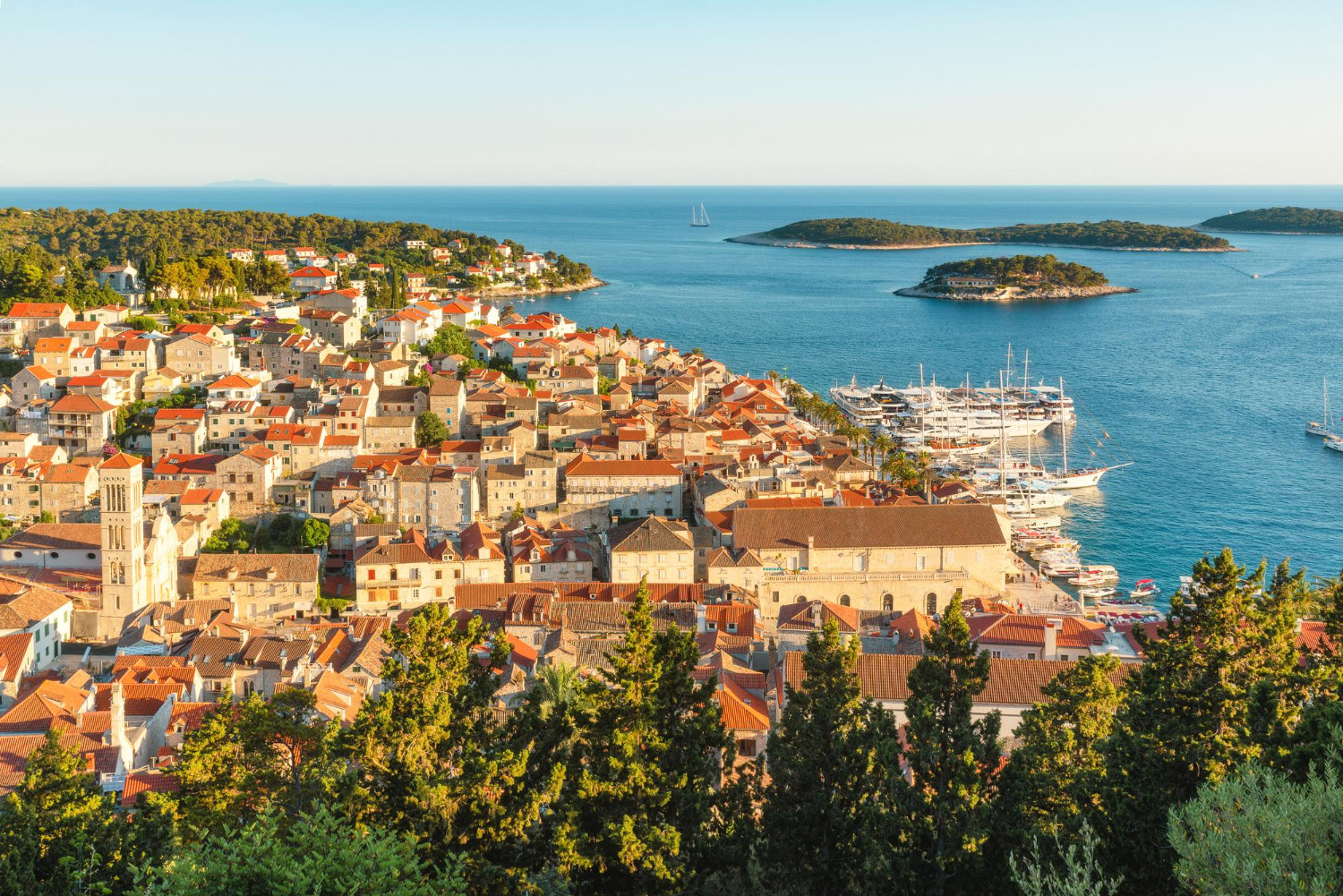

On the western side of Vis island, Komiža has lived from the sea for centuries. Its fishermen once sailed to the distant island of Palagruža in open wooden boats, and their families still tell those stories over coffee by the harbor. Walking through town with a little background turns a pretty postcard into a living place.
Komiža fishermen used the falkuša, a fast sailing boat built for long trips after sardines. Only one original survived, and a faithful replica now rests in the fishing museum inside the old Venetian tower by the waterfront. Locals gladly explain how the boats raced each other to the best fishing grounds.
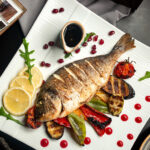
Catching fish was only half of the work. Women salted sardines in wooden barrels, and the catch was traded along the whole Adriatic. Konobas still serve salted fish with bread, capers and a glass of local vugava wine.
Every December, Komiža honors Saint Nicholas, patron of sailors. An old boat is carried up to the church above the town and set on fire, a custom meant to bless the fishermen for the coming year.
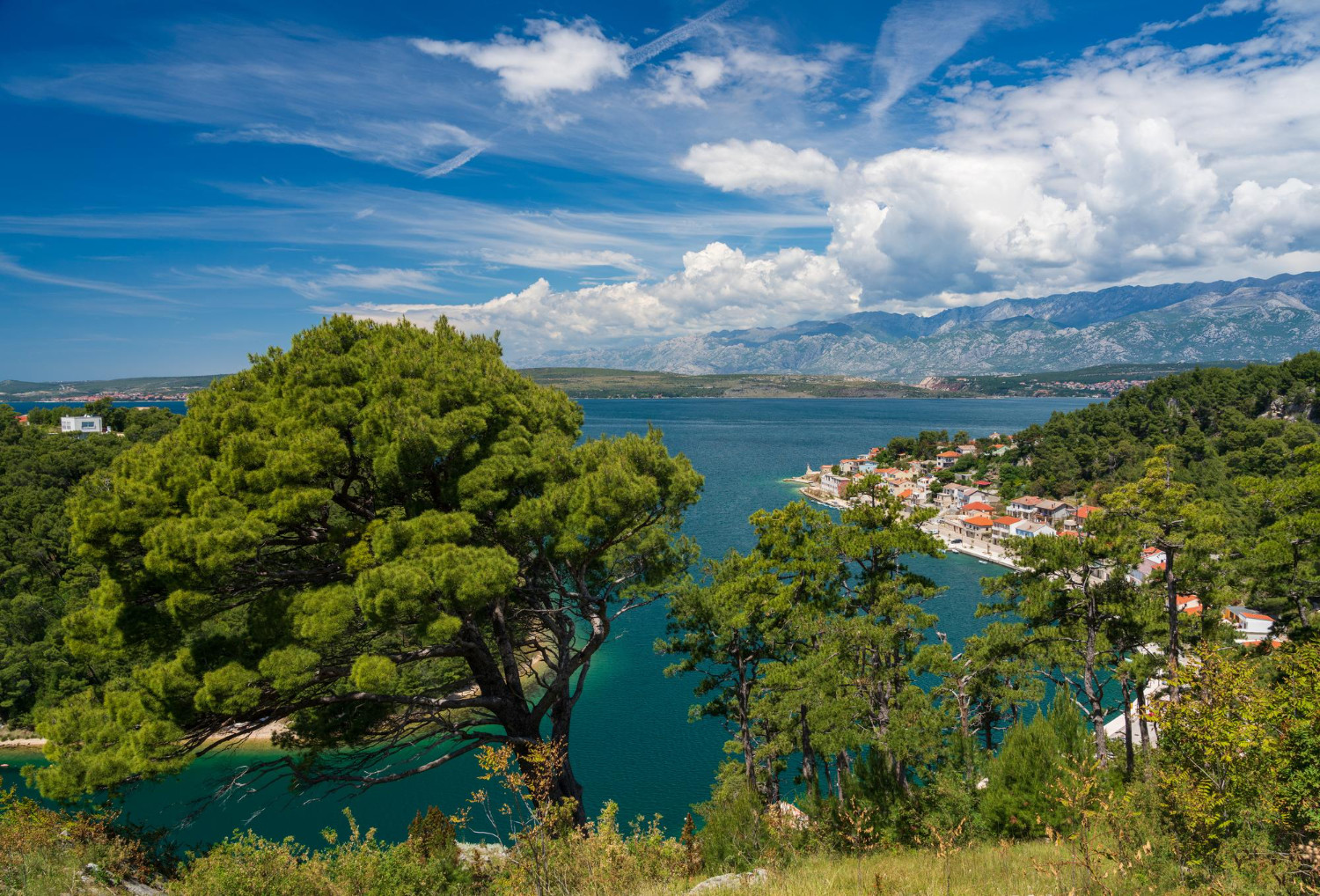
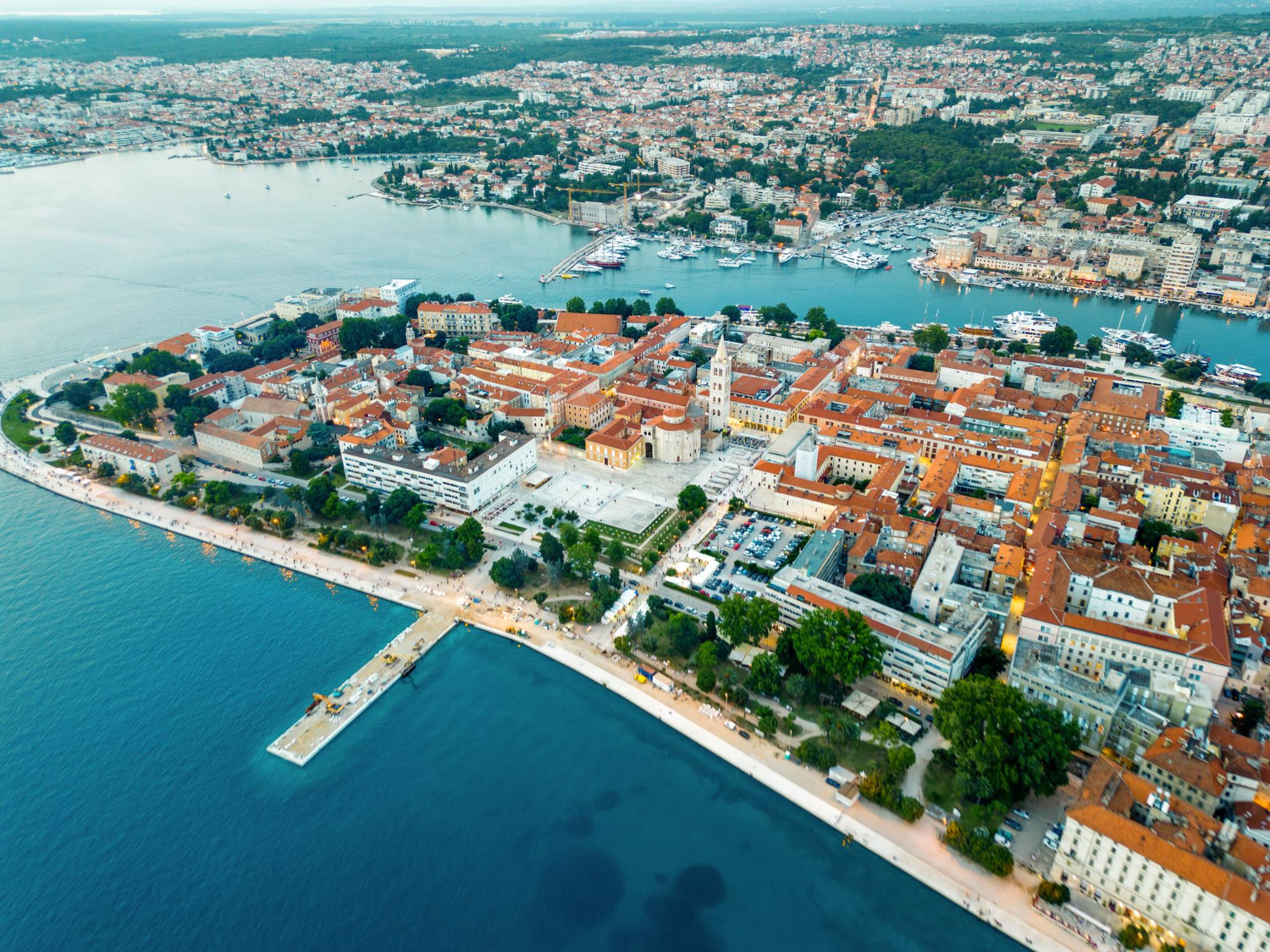
Arrive outside the peak season, when the town belongs to its residents again. Sit on the riva in the morning, when fishermen mend their nets, and ask about their boats. Many families rent rooms and share stories at dinner. To find similar encounters elsewhere, you can look through local events and village traditions in Croatia before you travel.
Ferries and catamarans connect Split with the town of Vis, and a local bus crosses the island to Komiža in about twenty minutes. A rented scooter gives more freedom to explore hidden bays.
Boats here are still used for work. Ask before stepping aboard, keep space on the quay during unloading and buy fish directly from the crews when they offer it.