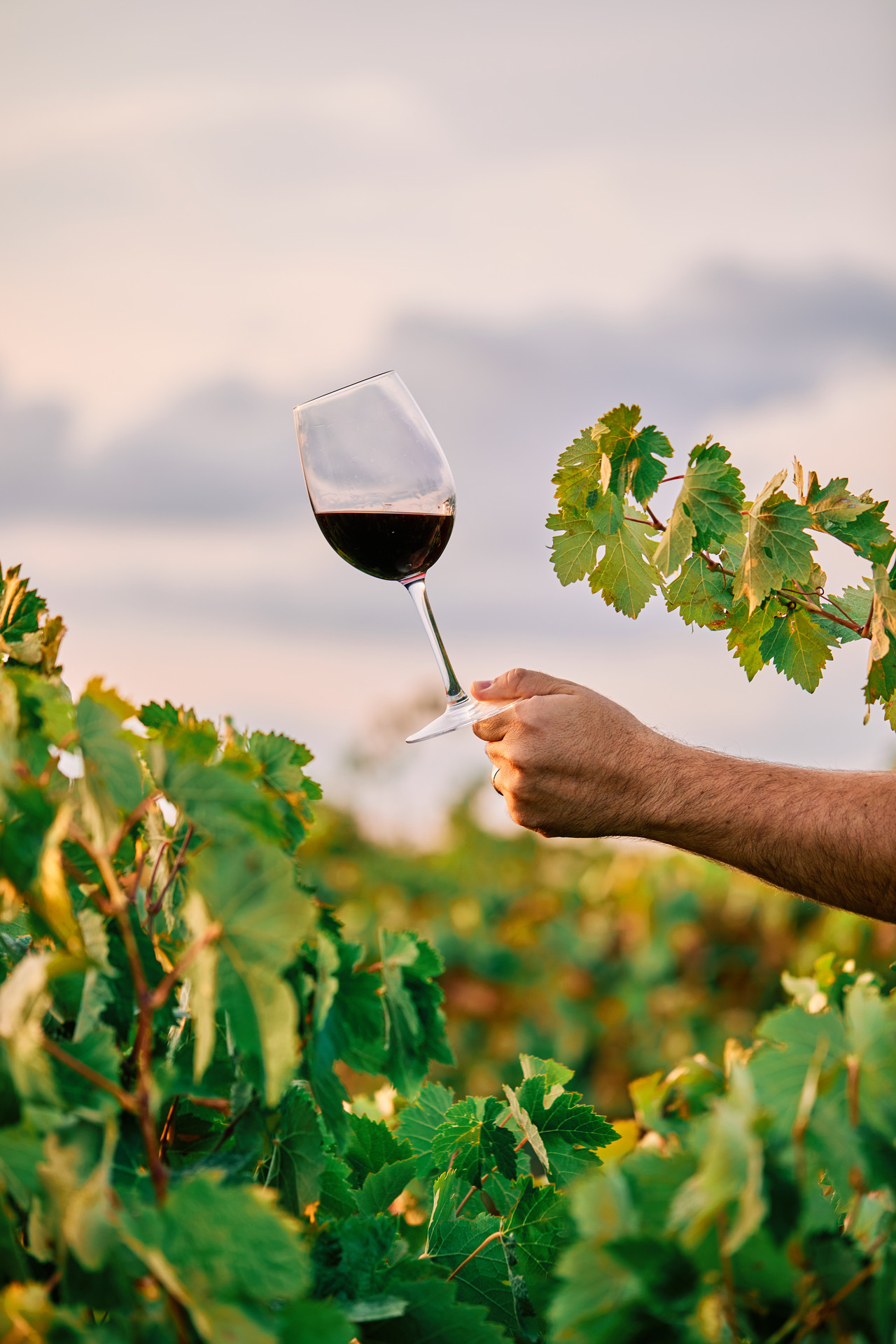

Most Croatian wine still comes from family estates where grandparents, parents and children work side by side. Visiting them means tasting wine and hearing how vineyards survived storms, wars and changing times.
On the steep slopes of Pelješac, families grow plavac mali in the Dingač and Postup positions. Vines cling to rocks above the sea, and the harvest is still done by hand, as donkeys once carried the grapes uphill.
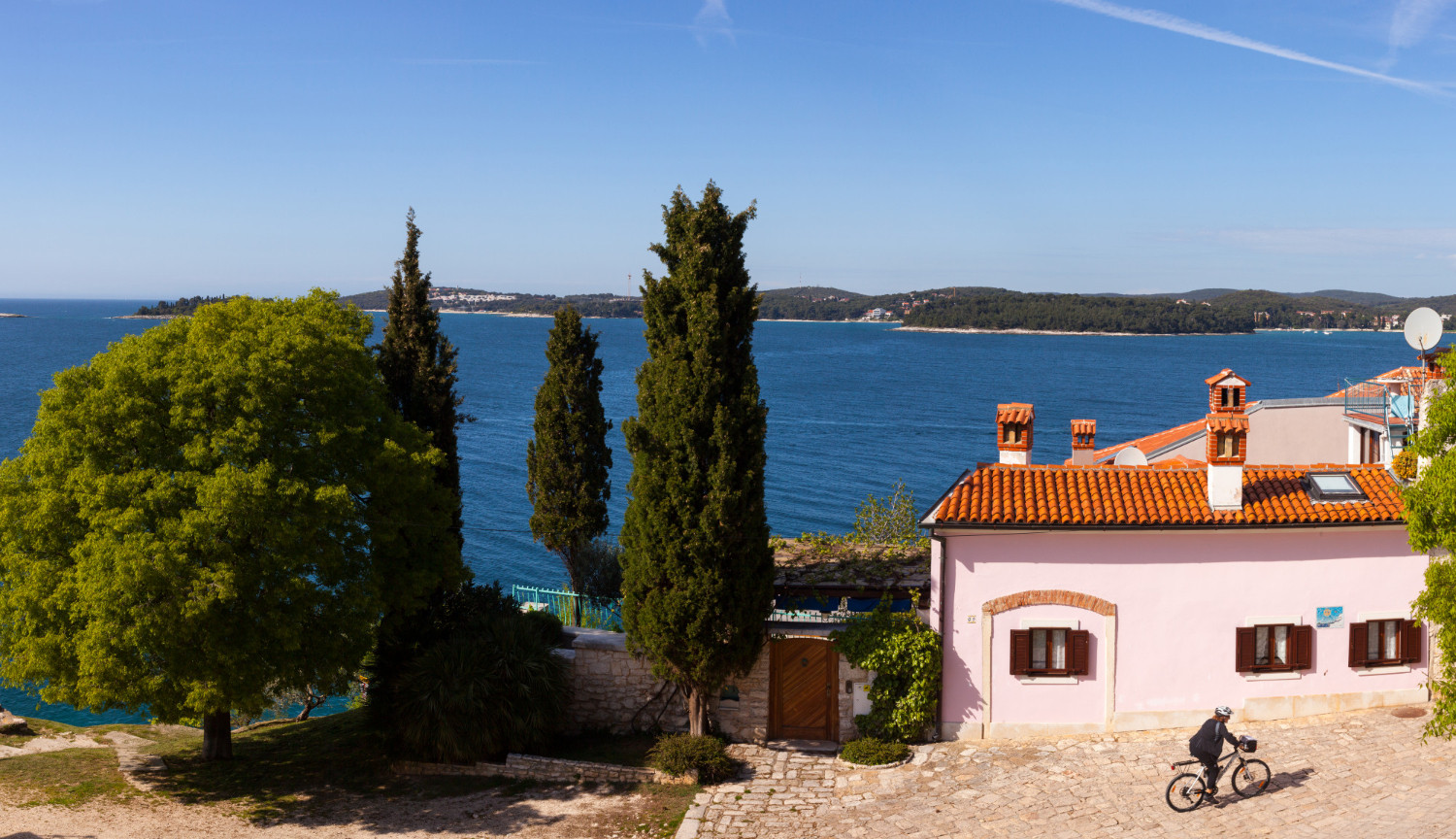
In Istria, younger winemakers have revived malvazija and teran, often returning from cities to take over family cellars. Many combine wine with olive oil and agritourism.
In the east, around Ilok and Kutjevo, historic cellars hold barrels older than their owners. Graševina is the local favorite, poured generously at every family celebration.
Call ahead, since small estates rarely keep fixed hours. You can browse wine tastings and distillery tours in Croatia to find producers who welcome guests.
Many winemakers also tend olive groves. Ask to taste their oil, and come in November to see the harvest and pressing.
Buy bottles directly from the family, ask for advice on storage and remember that a kind word in Croatian, such as hvala, opens doors.